
Heritage & Culture Trip
Touraine, the cradle of French royalty for centuries, offers a wealth of cultural activities.
“Azay-le-Rideau dans son écrin” by angelobrathot is marked with Public Domain Mark 1.0  .
.
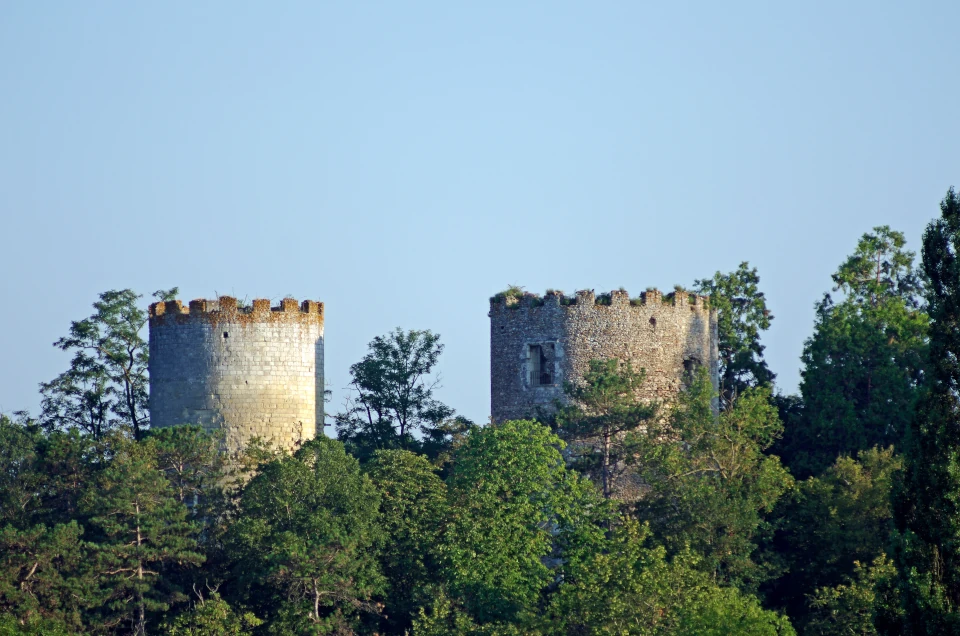
Château de Cinq-Mars-La-Pile
Click on the image to visit the website
The village of Cinq-Mars-La-Pile, home to our gite, boasts two iconic historical monuments that gave the town its name: a medieval château and a Gallo-Roman tower (the “Pile”).
The name Cinq-Mars is most famous for Alfred de Vigny’s novel Cinq-Mars, which tells the tragic story of the Marquis de Cinq-Mars—a favorite of King Louis XIII, who was beheaded at the age of 22 for high treason.
The château sits upon a rocky spur partially detached from the hillside, a common feature of feudal sites. The remaining round towers date back to the post-Crusade era; no traces remain of the first lords’ original château, which was likely built of wood.
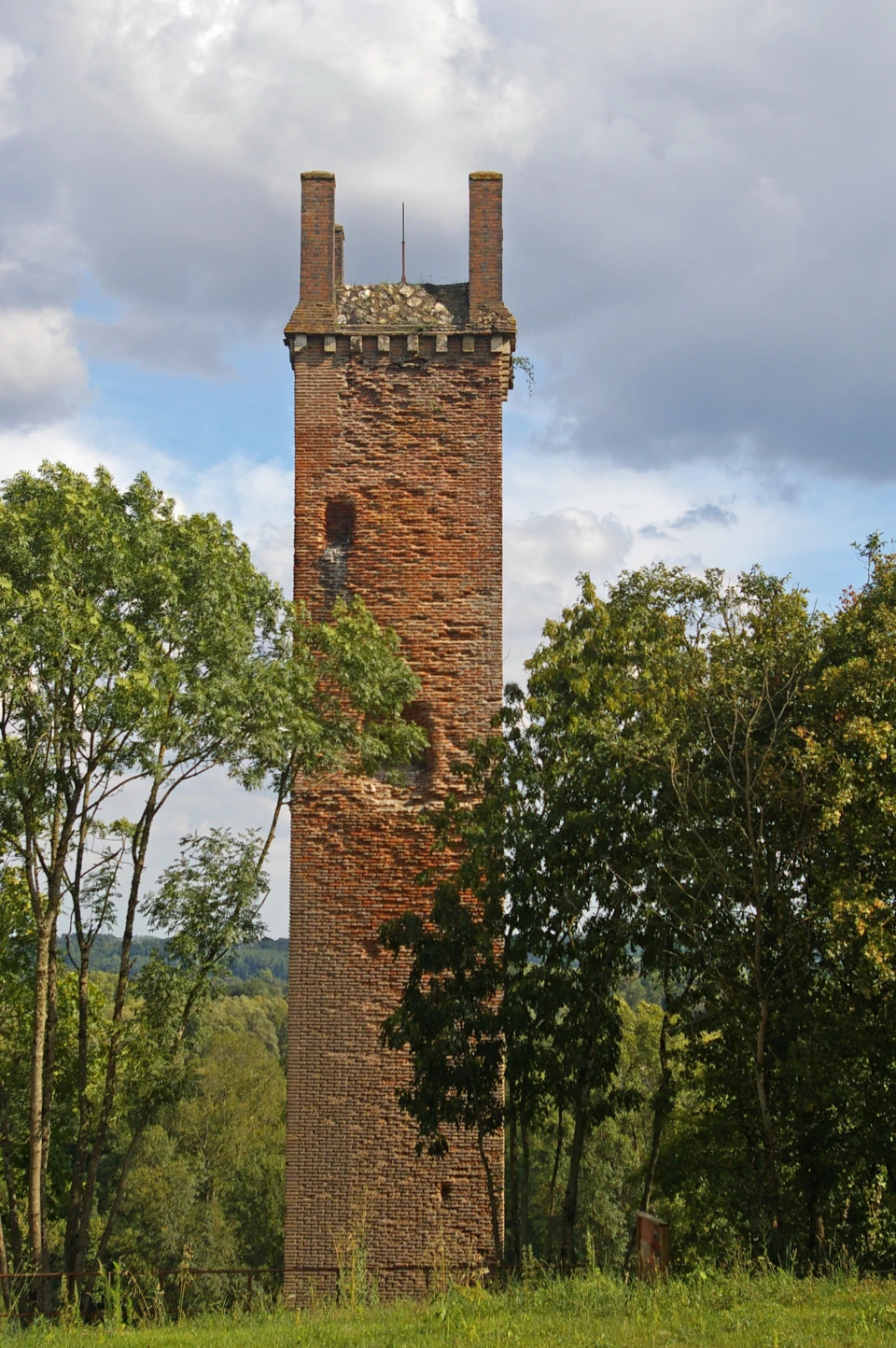
La Pile:
A Gallo-Roman tower
Click on the image to visit the website
The Gallo-Roman pillar is an enigmatic monument, standing 29.5 meters high. Built in the 2nd century, it features a brick exterior over an opus caementicium (Roman concrete) core.
It is now widely accepted that the pillar served as a funerary marker for a prominent member of the Turonesthe Celtic people who inhabited this region two thousand years ago.
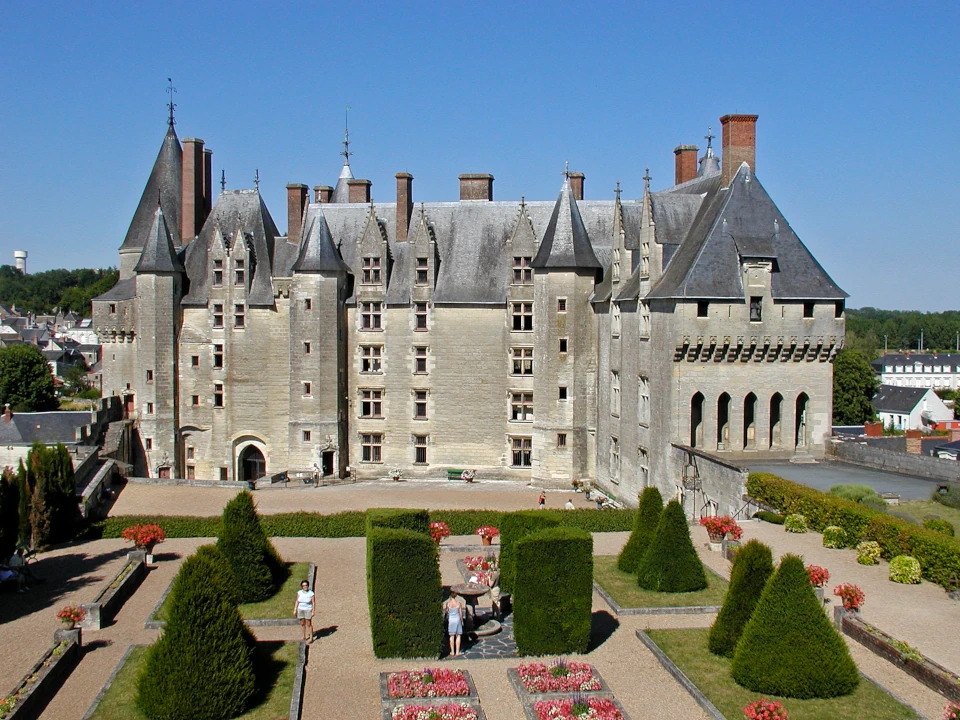
Château de Langeais
Click on the image to visit the website
In 1206, Langeais became part of the royal domain following the victories of King Philippe Auguste. In 1465, Louis XI decided to build a new château here. The town-facing façade features all the attributes of a medieval fortress, while the courtyard side reflects the changing expectations of royalty: a pleasant residence opened to the outside by beautiful windows.
It was in one of the château’s great halls, at dawn on December 6th, 1491, that the marriage of King Charles VIII and Anne of Brittany took place.
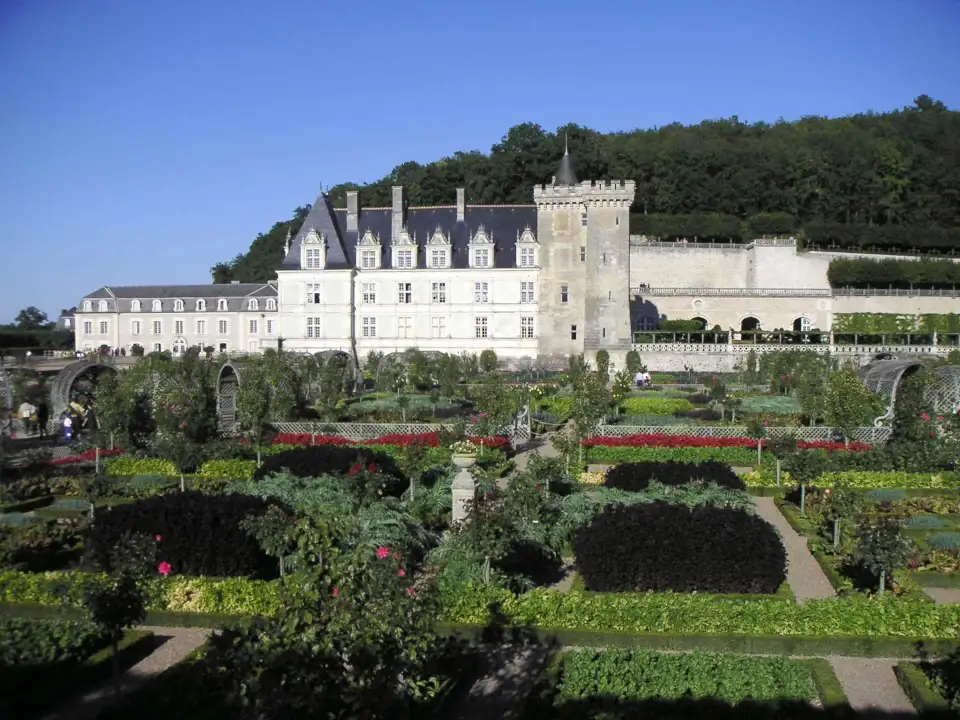
Château de Villandry
Click on the image to visit the website
Château de Villandry is the last of the great châteaux built during the Renaissance in the Loire Valley. The sober elegance of its architecture, combined with the charm of its remarkable gardens, makes this monument one of the crown jewels of world heritage.
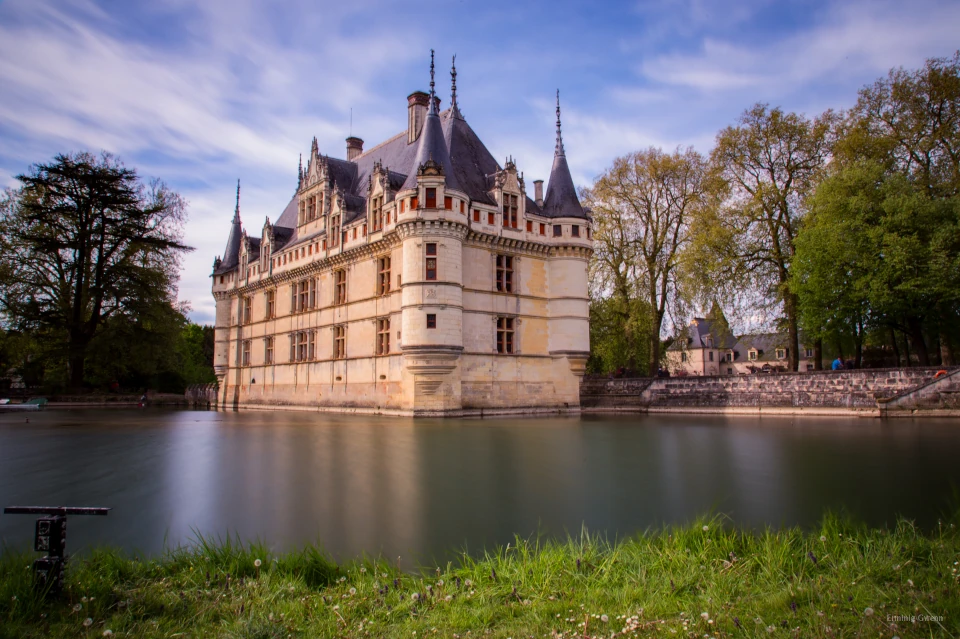
Château d’Azay-le-Rideau
Click on the image to visit the website
Built on an island in the Indre river during the reign of François I, Château d’Azay-le-Rideau is a masterpiece of the Renaissance. A subtle blend of French tradition and innovative Italian décor, it stands as an icon of the new 16th-century architectural style in the Loire Valley.
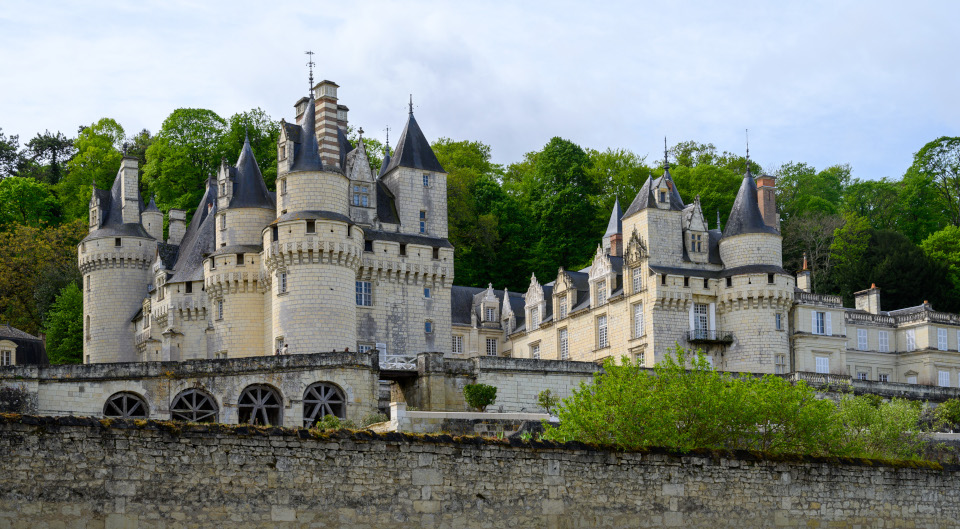
Château d’Ussé
Click on the image to visit the website
Once upon a time, there was a fairy-tale château overlooking the Indre and Loire rivers… a place so marvelous that it inspired Charles Perrault to write Sleeping Beauty.
Visitors of all ages are invited to immerse themselves in château life and witness the scenes of this classic fairy tale come to life before their very eyes. Follow in the footsteps of Vauban, Perrault, Chateaubriand, Le Nôtre, and the Blacas family, who still reside in this illustrious château today.
Château d’Ussé is truly one of the most astonishing châteaux in the Loire Valley.
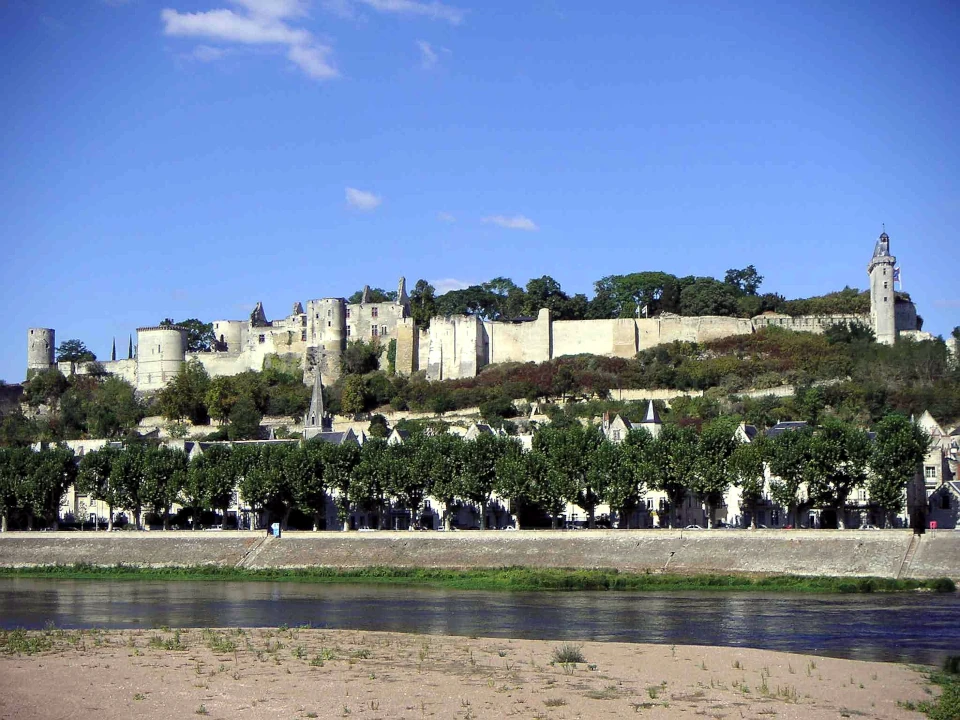
The Royal Fortress of Chinon
Click on the image to visit the website
The Royal Fortress of Chinon is one of the few medieval castles in the Loire Valley. Its history is intertwined with legendary figures, most notably:
- Henry II Plantagenet, King of England, who chose this site to store the royal treasury. He stayed here frequently and died within its walls in 1189.
- Philip the Fair, who imprisoned Jacques de Molay, the last Grand Master of the Knights Templar, here before his execution at the stake in 1314.
- Joan of Arc, who traveled to the Fortress in 1429 for her historic meeting with the future King Charles VII.
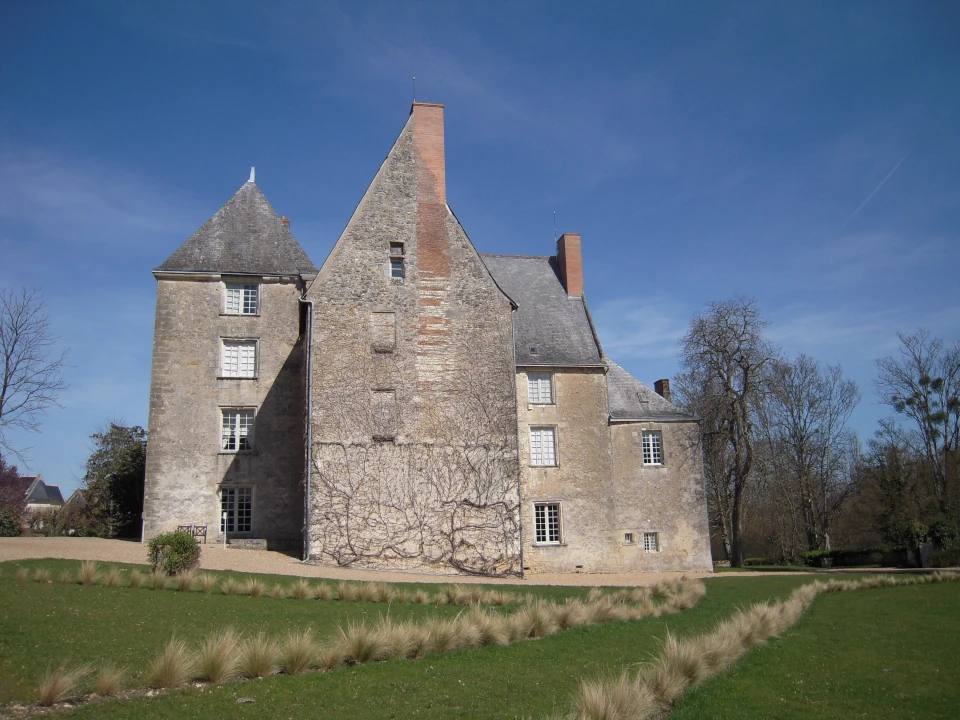
The Balzac Museum in Saché
Click on the image to visit the website
The Balzac Museum welcomes visitors to the Château de Saché, a beautiful French Renaissance manor built upon the foundations of a 12th-century fortress. Honoré de Balzac stayed here several times between 1825 and 1848. He found both the inspiration and the tranquility needed to write many of his great novels, including The Lily of the Valley, Father Goriot, Louis Lambert, and other works that make up his famous Human Comedy.
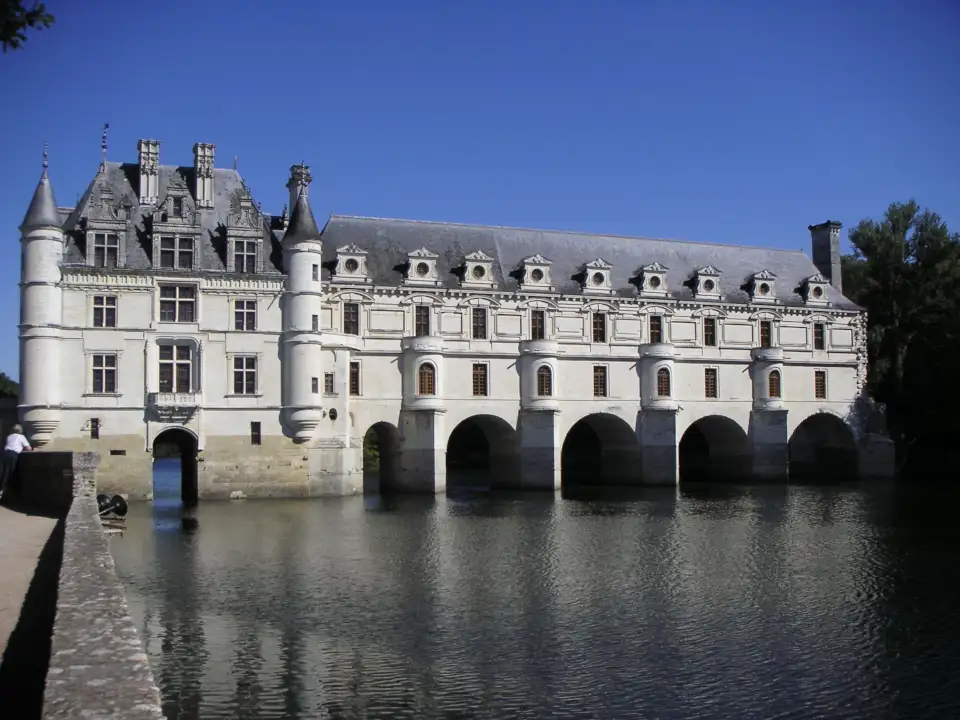
Château de Chenonceau
Click on the image to visit the website
Known as the “Ladies’ Château” since the 16th century, the history of Chenonceau is defined by an almost uninterrupted succession of women who built, embellished, protected, restored, and saved it. Chenonceau houses an extraordinary collection of period furniture, tapestries, and paintings.
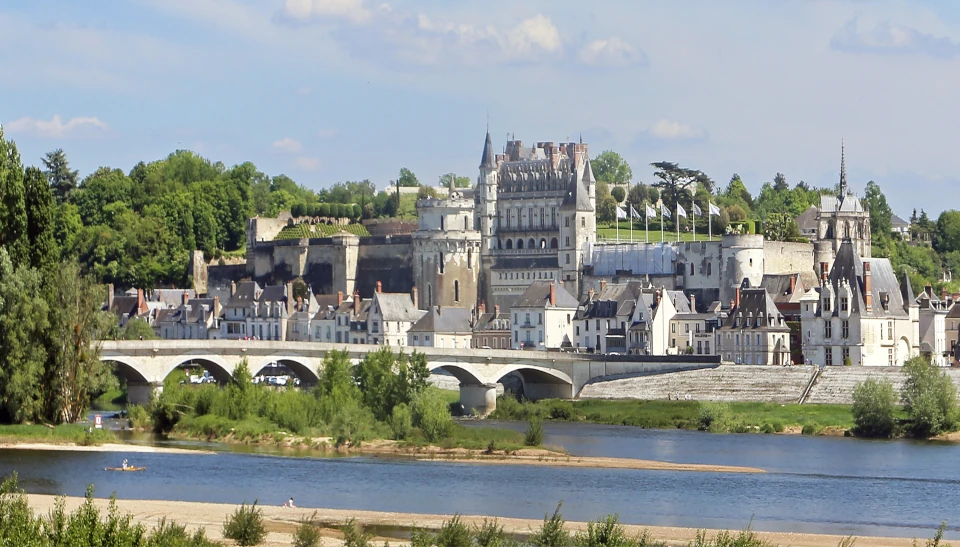
Château Royal d’Amboise
Click on the image to visit the website
For nearly two centuries, the history of the Royal Château of Amboise was intimately entwined with the Great History of France. A grandiose palace for Kings Charles VIII and François I during the Renaissance, and the final resting place of the iconic Leonardo da Vinci, the Royal Château of Amboise also offers one of the most stunning panoramic views of the Loire Valley.
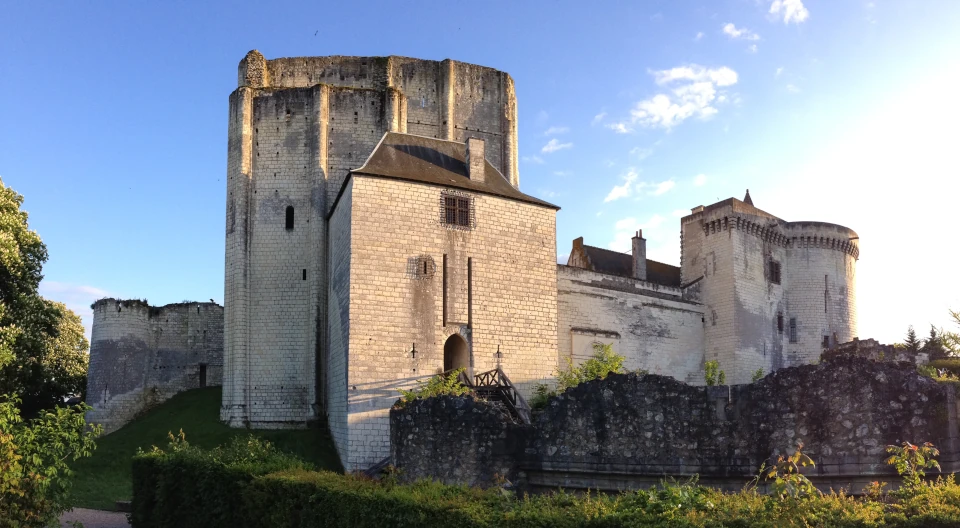
The Royal City of Loches
Click on the image to visit the website
With its remarkable Royal Lodge and imposing keep, Loches is home to one of France’s most beautiful fortified cities, overlooking the town and the bucolic Indre Valley.
An architectural jewel of the late Middle Ages, the Royal Lodge welcomed Joan of Arc and Anne of Brittany, and was the residence of Agnès Sorel, the favorite of King Charles VII.
A unique figure among the Loire Valley châteaux, the 37-meter-high keep (donjon) is a masterpiece of 11th-century military architecture and one of the best-preserved in Europe. With its numerous painted and engraved inscriptions, it immerses visitors in the somber world of medieval prisons.
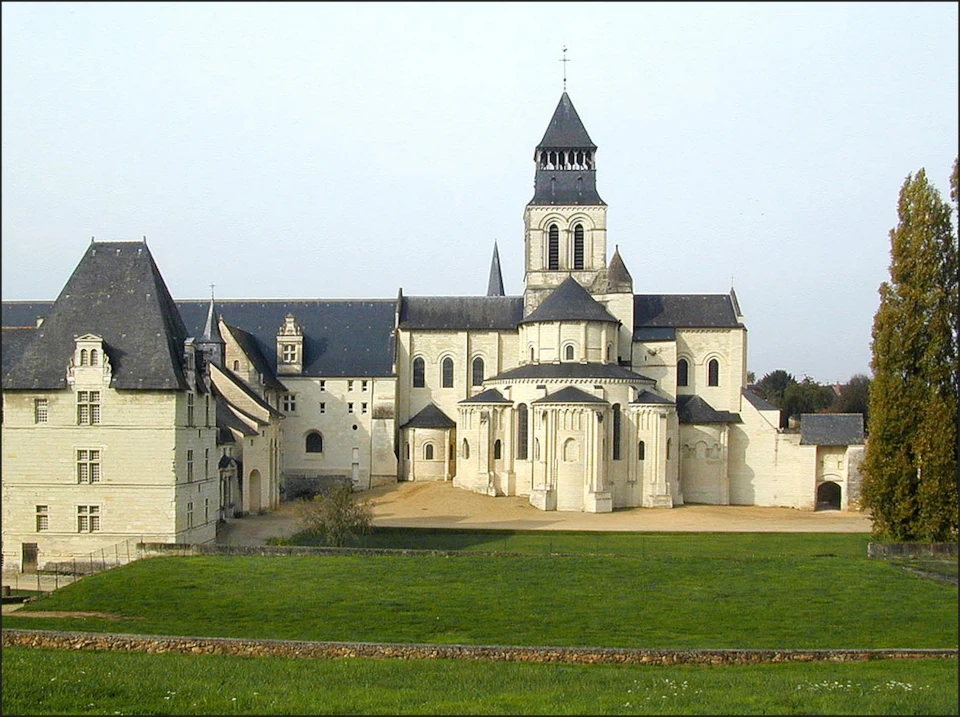
Fontevraud Royal Abbey
Click on the image to visit the website
As the largest monastic city in Europe, which later served as a prison in the 19th century, Fontevraud has endured through the centuries and the many upheavals of French history. Now a UNESCO World Heritage site within the Loire Valley, this historic monument is today dedicated to culture and artistic creation.
The royal effigies (gisants) of the Plantagenet sovereigns—Henry II, Richard the Lionheart, Eleanor of Aquitaine, and Isabella of Angoulême—are on display within the grand abbey church.